Author: Louis D

  • How can a Deaf person trapped in a lift make an emergency call?

    How can a Deaf person trapped in a lift make an emergency call?

    Press Alarm for 5 seconds, release and await reply…

    What if you can’t hear? What if you can’t speak?

    These simple instructions are commonly posted in lifts across New Zealand. For many passengers, hearing or speaking with the operator just isnʼt possible.

    When Will Help Arrive?

    The risk of a delayed response is high without verbal communication.

    Emergency callouts are costly, so an operator must quickly decide if the call is accidental or genuine.

    With care, the operator could:

    ▶ Listen carefully for signs of passenger presence

    ▶ Contact building managers to check the lift

    ▶ Check any reliable remote monitoring systems

    ▶ Call back the lift phone to re-attempt communication

    This is challenging with frequent false alarms and test calls.

    Action isnʼt always possible if the phoneʼs caller ID is blocked.

    The audible lift siren might be ignored

    What can be done?

    LDEV Connect has been steadfast in raising industry awareness of the care needed to provide inclusive emergency help.

    Our industry needs to reduce the chances that a genuine emergency has a delayed response, even where modern solutions are not available.

    ▶ Display a number to txt message for help

    ▶ Enable lift alarm filtering features to reduce false calls

    ▶ Adopt procedures to follow up all silent calls

    Modern solutions are available with:

    ▶ Camera-capable VOIP lift emergency calls

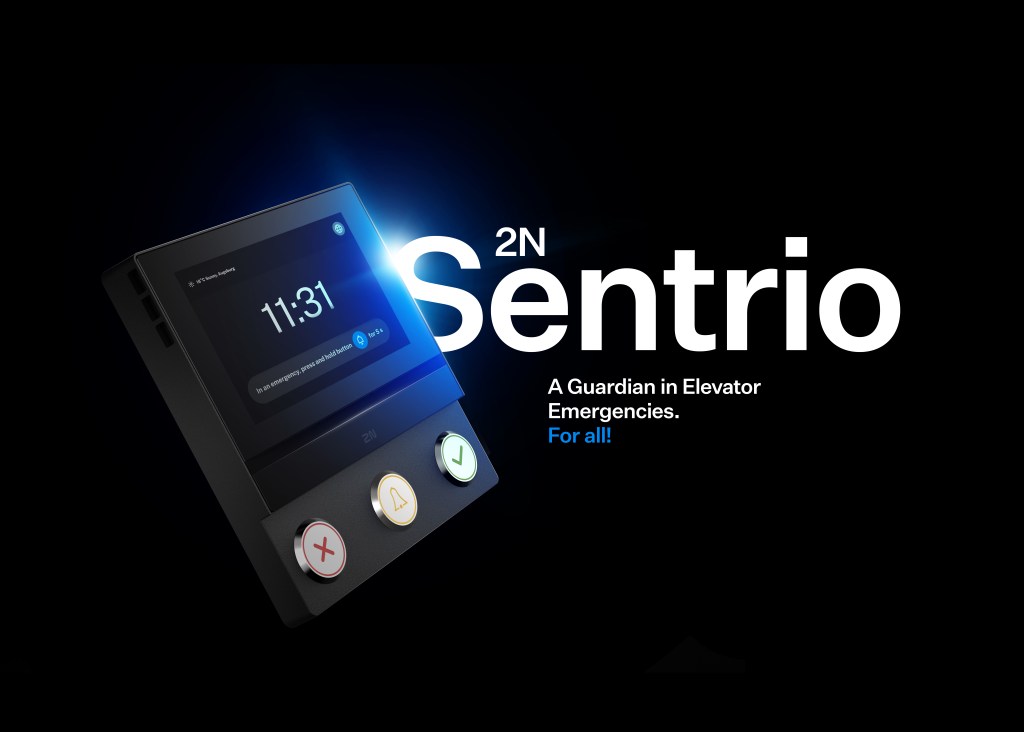
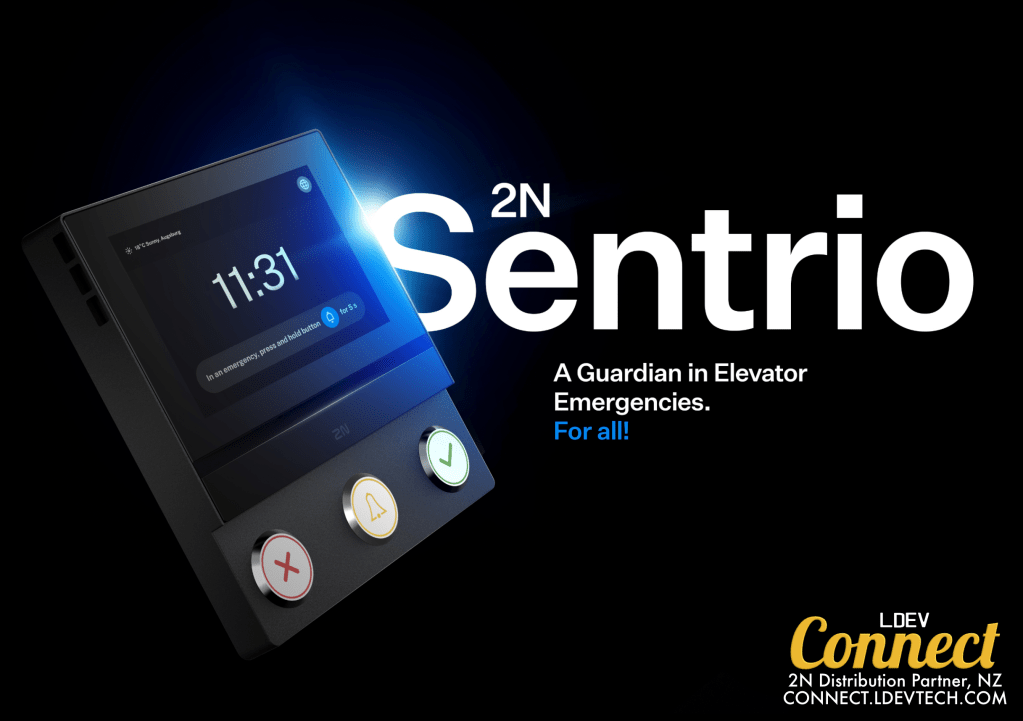
    ▶ 2-way camera and text communication systems – 2N Sentrio is available in New Zealand from LDEV Connect
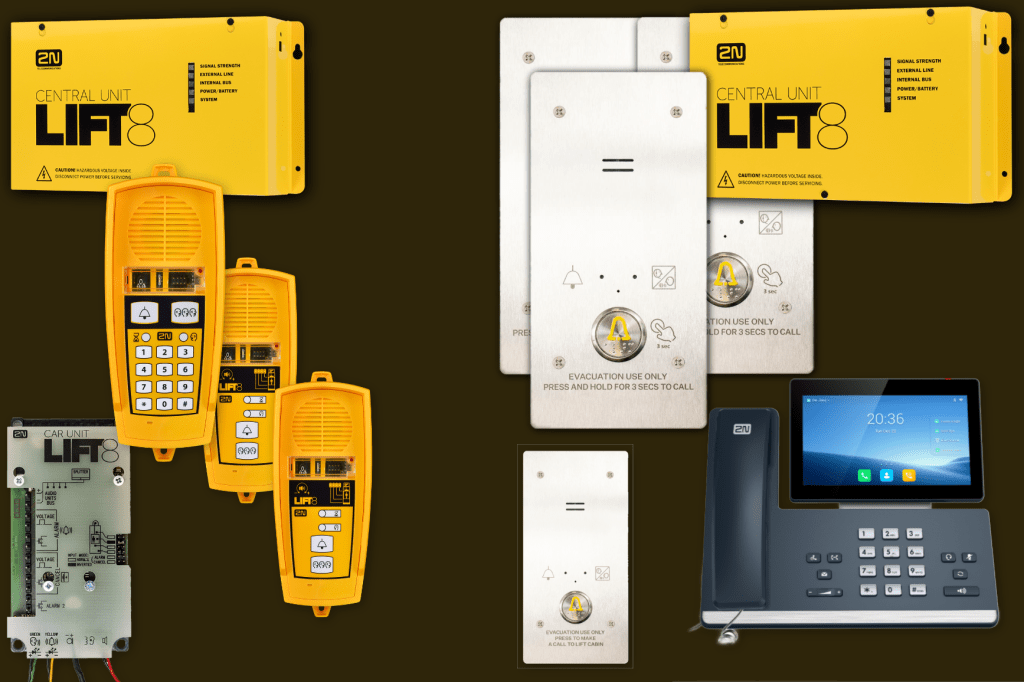
  • Fire evacuation with Lifts – Intercoms to meet EN81-76

    Fire evacuation with Lifts – Intercoms to meet EN81-76

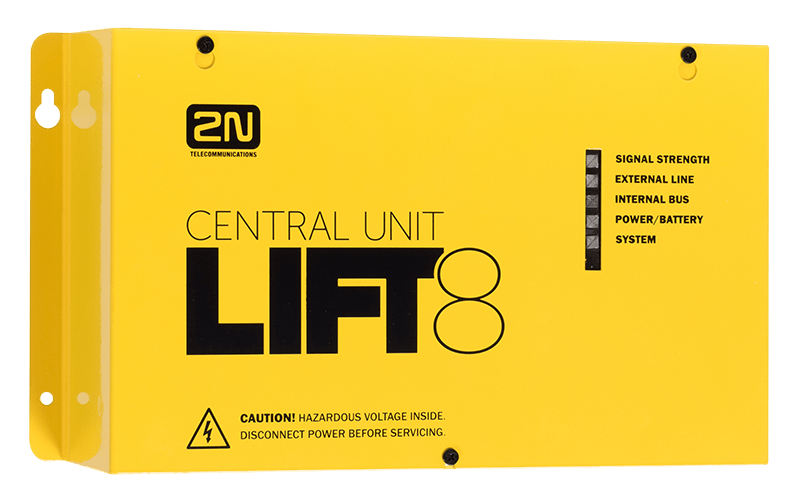
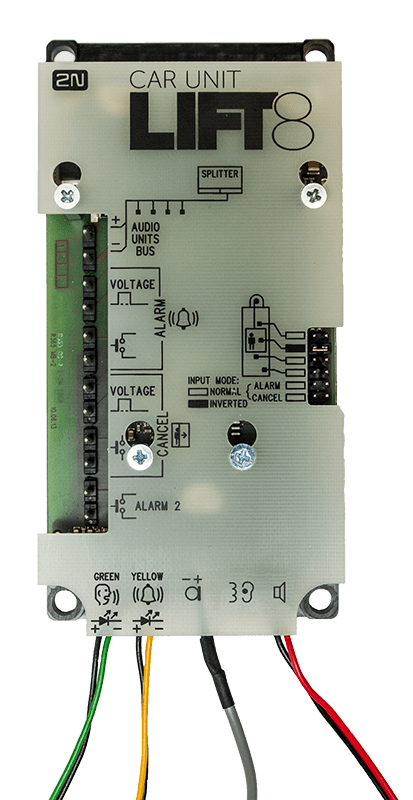
    With 2N Lift8 – A comprehensive communication system can be delivered for use in a critical evacuation situation.

    There are two parts to the communication system:

    Lift Car
    allowing all the following to communicate

    • Machine Room
    • Main Elevator Evac. Floor (MEEF) Intercom
    • Lift car
    • Lift car roof
    • Lift pit
    • Normal elevator call centre through 4G VoLTE, VOIP, or Analog line

    Lift Landings
    allowing all the following to communicate

    • A landing intercom at each floor
    • Main Elevator Evac Floor (MEEF) or Control room phone

    In the Evacuation mode, 2N Lift8 ensures a reliable communication with the evacuation elevator floors, which is crucial for a safe and rapid evacuation of persons in emergency.

    The MEEF Intercom activates a the highest priority call to the lift car, and technicians assisting can also speak across the multi station intercom system to communicate with emergency responders.

    The system is controlled by a Central Unit (CU), which provides telecommunication connection of the audio units with an IP phone. Thus, a responsible and duly trained person can communicate with the evacuees on all the floors via an IP phone, ensuring a successful evacuation process. The landings call the MEEF where it can be assured that someone can answer the call. The landing help points do not call directly to the lift car as there may be situations where the lift car is not able to be occupied.

    Up to 64 landing units can be connected in a single system using a simple two-wire connection. The first 8 units connect directly to the 2N Lift8 Central Unit, while each additional group of 8 requires a 2N Lift8 Splitter. These units can be installed up to 600 meters away from the Central Unit, making this solution ideal even for high-rise buildings.

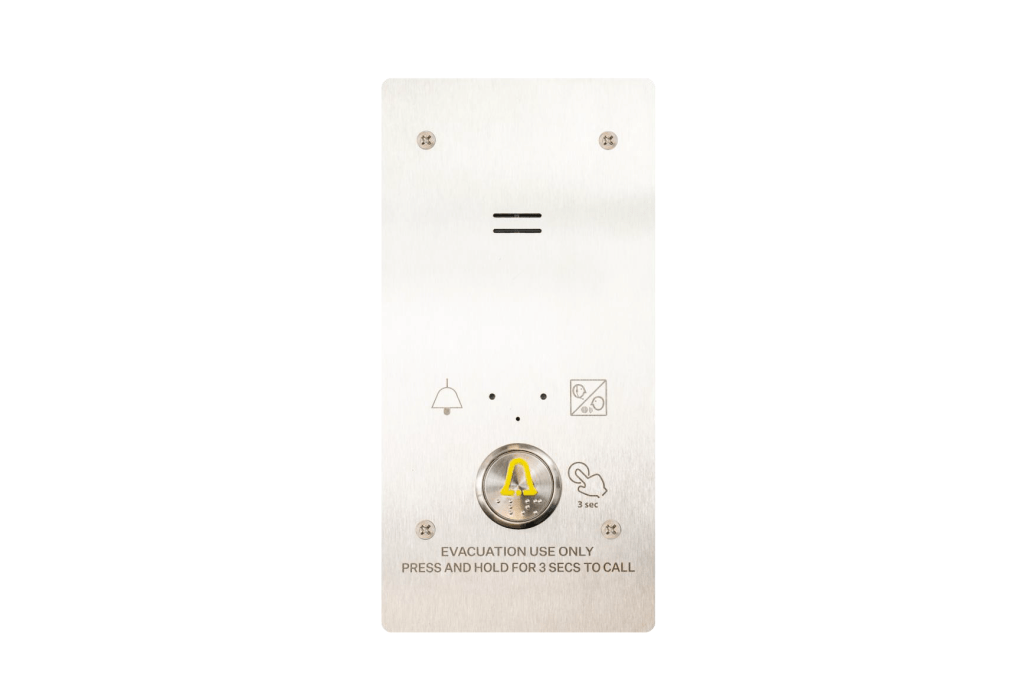
    The evacuation unit for individual floors is a key component of the comprehensive evacuation communication solution built on the 2N Lift8 products. It ensures reliable and structured voice communication between evacuation floors and the control room – fully compliant with the EN 81-76 standard.

  • Essential Tips for Managing Lift Breakdowns

    Essential Tips for Managing Lift Breakdowns

    What’s your plan for when a lift goes down?

    Here’s a few tips you can use to help you and your building’s occupants:

    1.    Call your service provider to log a job

    Be sure to log it with the call centre rather than directly to your technician so that they can make sure the call-back is on the record.

    2.    Is anyone in the lift?

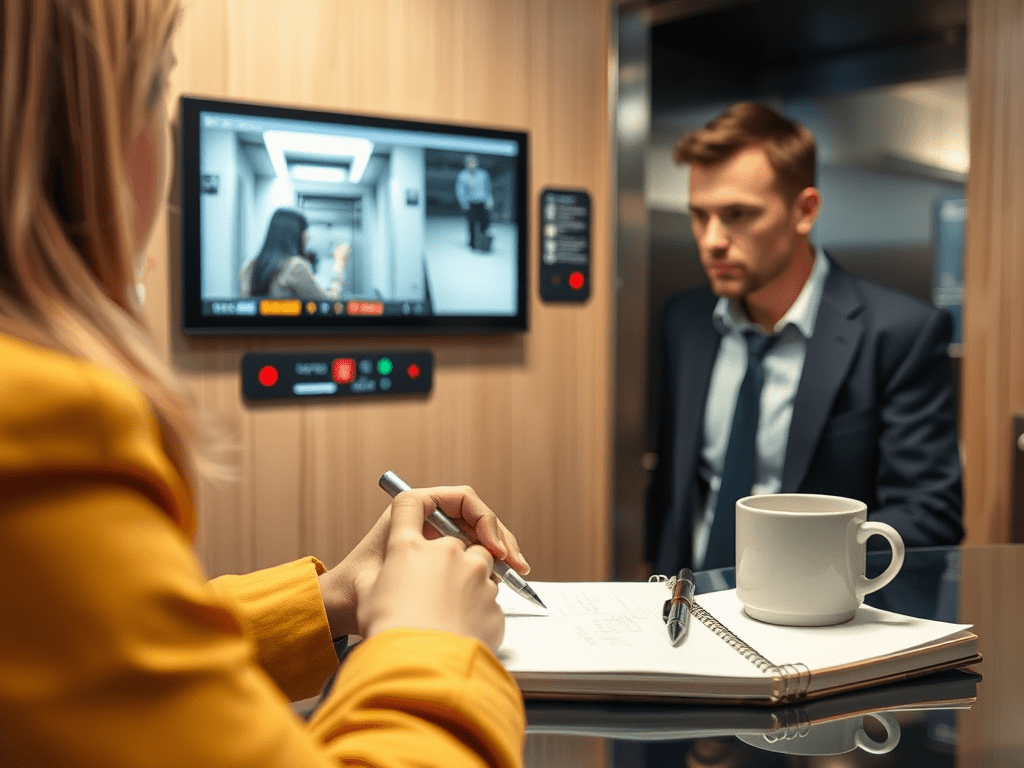
    Check CCTV cameras if they’re available or listen for the lift alarm bell. Many lift emergency phones also allow you to call back the lift car using your mobile phone so you can speak to the passengers inside and let them know that help is coming. You might like to offer them a coffee voucher for their troubles. Keep them updated on when the technician is arriving.

    3.    Can you fix it?

    A few quick checks can save you a costly running on arrival charge. Check to see if the lift has not been locked off by a key-switch, or whether there are any obstructions in the doorway or door tracks that are preventing the lift doors from closing. Try buttons on other floors, and ensure that the problem isn’t related to security access control preventing the lift being called.

    4.    Put up signs

    Let people know that the lift outage has been noticed, and provide directions to alternate lifts if needed.


    5.    Will the lift breakdown cause a disruption?

    Consider sending a courtesy message to all your tenants, and keeping them updated.

    6.    Does anyone need special assistance?

    Keep your building users in wheelchairs or who would have difficulty with stairs updated on the lift status.

    7.    Re-schedule deliveries and service trips

    If a lift is down, now might not be a good time to key-off another lift for goods and service use.

    8.    Technician access

    Have any keys and cards ready for the technician when they arrive so they can get straight to work, especially if someone is stuck. Be sure your service provider is kept up to date with any changes to keys, access, or pin codes for after-hours access.

    9.    Make a note

    Keep your own record of lift breakdown events. More than 2 equipment related breakdowns a year on a lift should prompt you to ask for more information and reassurance from your service provider.

  • 2N Sentrio Demonstrations

    2N Sentrio Demonstrations

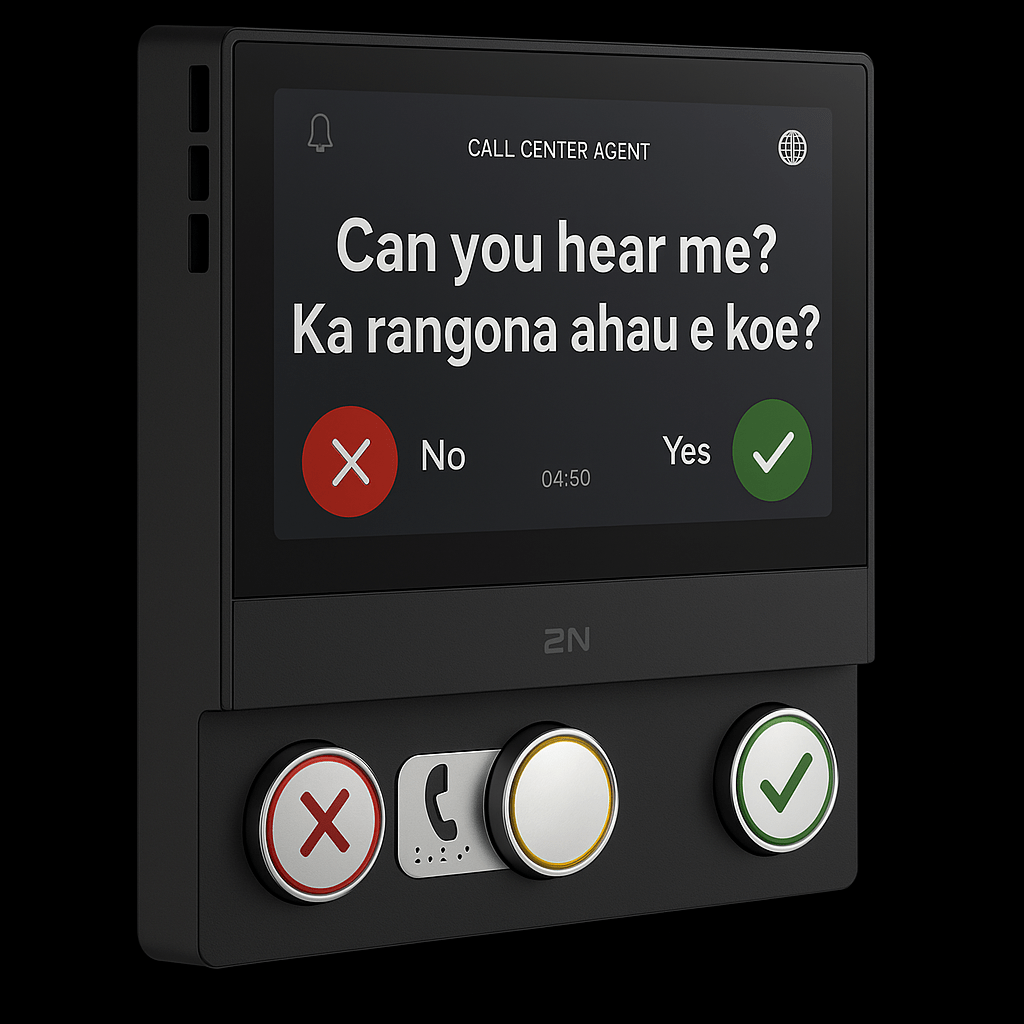
    2N Sentrio is a state of the art emergency communicator enabling two-way visual communication for passengers and the call centre in an elevator entrapment emergency

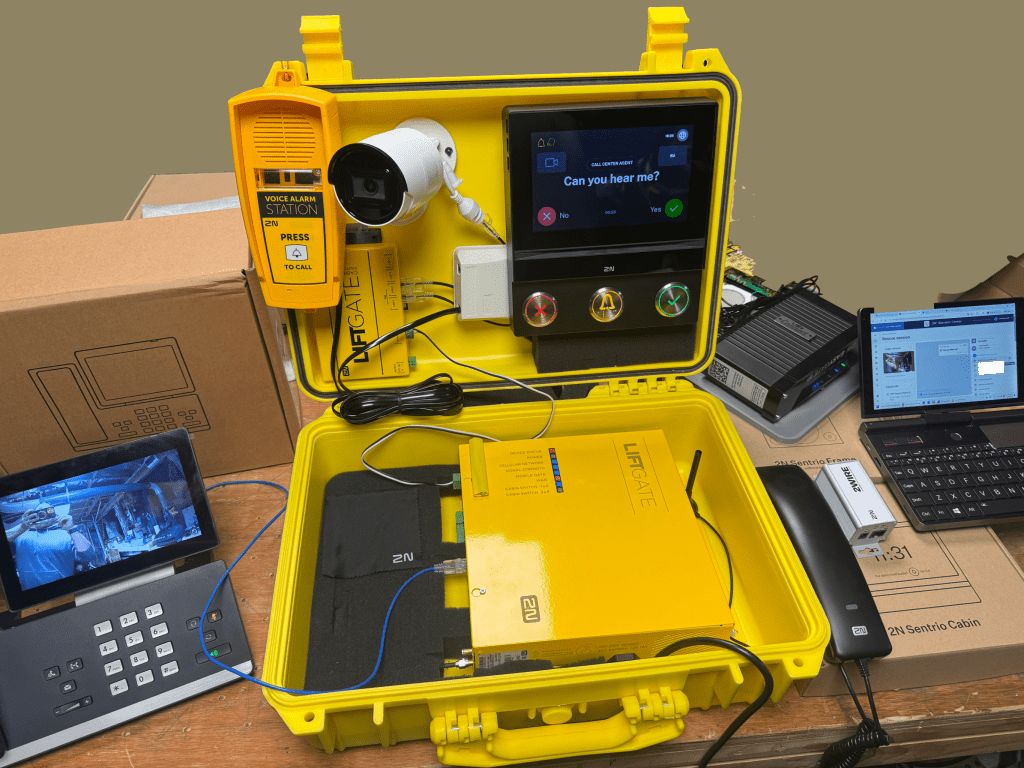
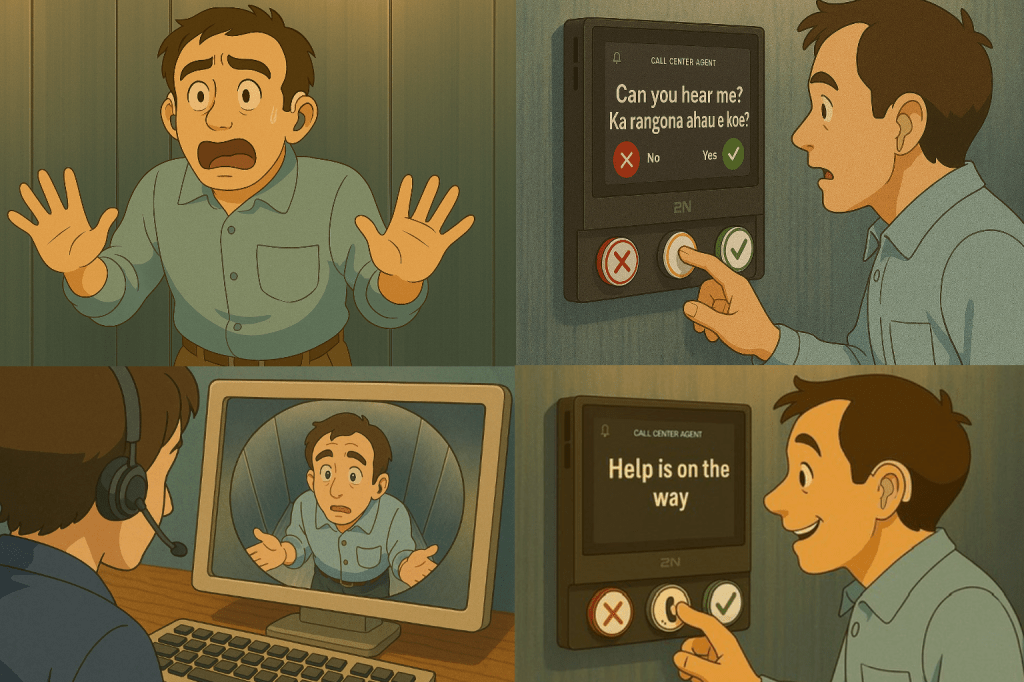
    With Sentrio, passengers can communicate by responding to questions sent by the emergency operator on the in-car display using either a touch-screen or tactile Yes/No buttons. Emergency call centre operators can verify the situation within the lift car by a remotely streamed view from the connected IP camera.

    This gives vulnerable passengers reassurance that help is on the way, and helps call centres to quickly establish whether a rescue is needed especially when audio communication has not been successful.

    LDEV Tech is available nationwide to demonstrate this technology with real hardware in our customised fully portable demonstration case

    See more at https://connect.LDEVTech.com

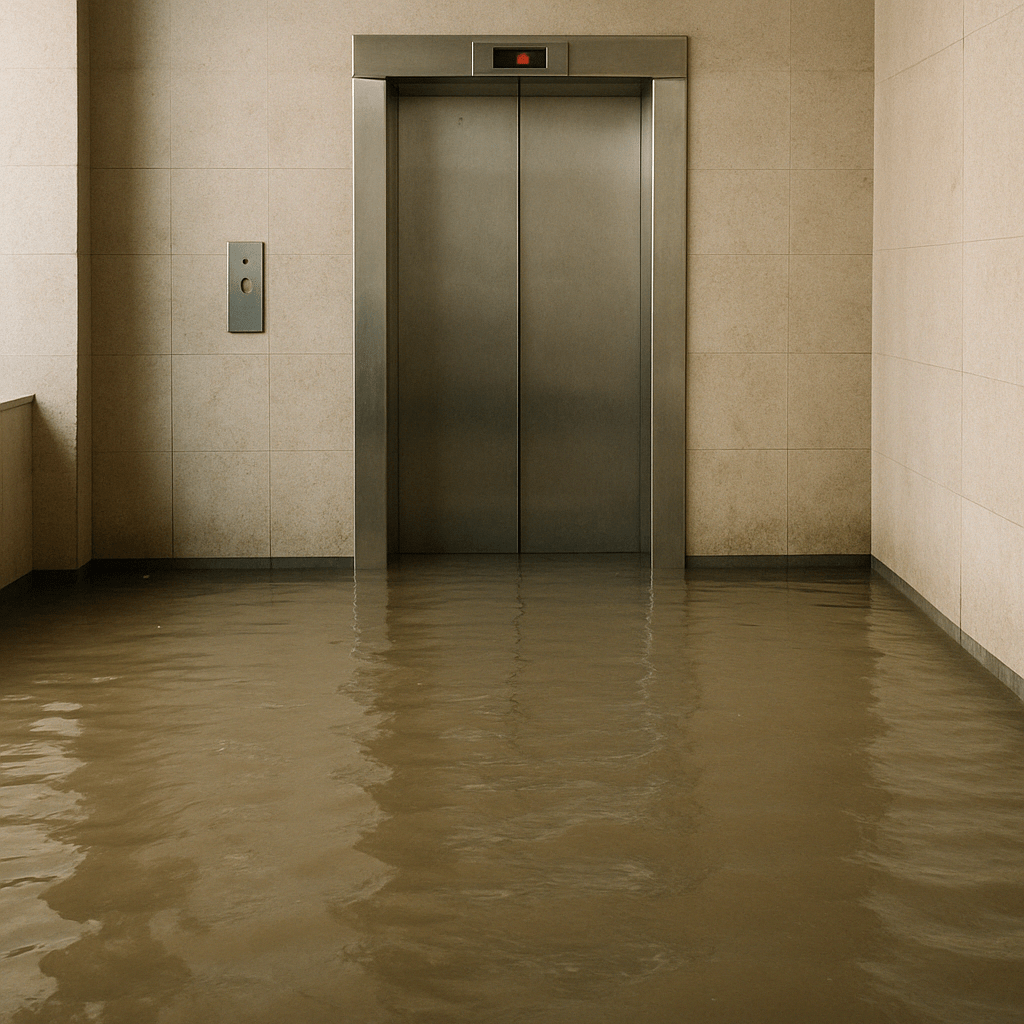
  • Lift Pit Flood Repairs

    Lift Pit Flood Repairs

    What needs to be done after a lift pit becomes flooded?


    No matter what kind of lift you have, if the pit has filled up with water some important checks have to be made.
    Ideally the lift car and counterweight were parked safely above the flood level and the damage was limited to the pit area. If the lift was running, water could have been carried through moving parts like ropes throughout the shaft.

    Unfortunately, some costly repairs are likely, and left unchecked the damage may cause issues in the future.
    Some equipment may appear ok from the outside, but water can wear away lubricants on bearings and cause trouble with electrical components due to corrosion leading to troublesome breakdowns or safety issues.

    Check, replace, or overhaul:
    ➡ Safety circuit contacts such as buffer switches, governor slack rope switches, stop buttons, and overtravel limits.
    ➡ Electrical equipment like lighting and power outlets
    ➡ Special electronic equipment such as seismic sensors, inspection control stations, and pit emergency intercoms
    ➡ Governor ropes and compensation ropes – these steel wire ropes can often have a fibre core which can retain moisture and lead to later corrosion.
    ➡ Buffers – Polyurethane buffers should be checked for deformation as they can absorb moisture. Replace if damaged. Hydraulic buffers may have water that entered through breather holes and need to be thoroughly overhauled or replaced.
    ➡ Guide rails – clean, dry and then re lubricate
    ➡ Governor and compensator pulleys or sheaves – bearings to be overhauled or replaced
    ➡ For hydraulic lifts – ensure no water entered the tank or pump

    Take care of the environment. Excess lubricants are present from guide rails, and especially in hydraulic lifts. Give consideration to where dirty water is pumped to.

    If your lifts had a flooded pit and did not automatically shut down it’s a good idea to have a water level sensor installed.