Category: Accessibility

  • How can a Deaf person trapped in a lift make an emergency call?

    How can a Deaf person trapped in a lift make an emergency call?

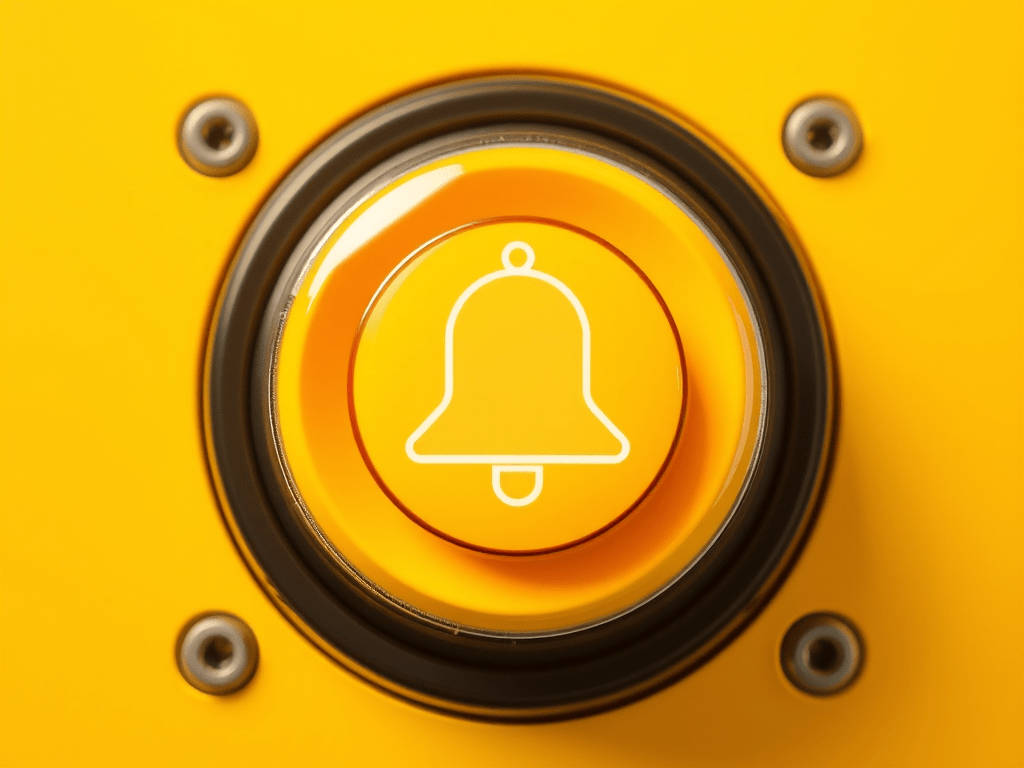
    Press Alarm for 5 seconds, release and await reply…

    What if you can’t hear? What if you can’t speak?

    These simple instructions are commonly posted in lifts across New Zealand. For many passengers, hearing or speaking with the operator just isnʼt possible.

    When Will Help Arrive?

    The risk of a delayed response is high without verbal communication.

    Emergency callouts are costly, so an operator must quickly decide if the call is accidental or genuine.

    With care, the operator could:

    ▶ Listen carefully for signs of passenger presence

    ▶ Contact building managers to check the lift

    ▶ Check any reliable remote monitoring systems

    ▶ Call back the lift phone to re-attempt communication

    This is challenging with frequent false alarms and test calls.

    Action isnʼt always possible if the phoneʼs caller ID is blocked.

    The audible lift siren might be ignored

    What can be done?

    LDEV Connect has been steadfast in raising industry awareness of the care needed to provide inclusive emergency help.

    Our industry needs to reduce the chances that a genuine emergency has a delayed response, even where modern solutions are not available.

    ▶ Display a number to txt message for help

    ▶ Enable lift alarm filtering features to reduce false calls

    ▶ Adopt procedures to follow up all silent calls

    Modern solutions are available with:

    ▶ Camera-capable VOIP lift emergency calls

    ▶ 2-way camera and text communication systems – 2N Sentrio is available in New Zealand from LDEV Connect
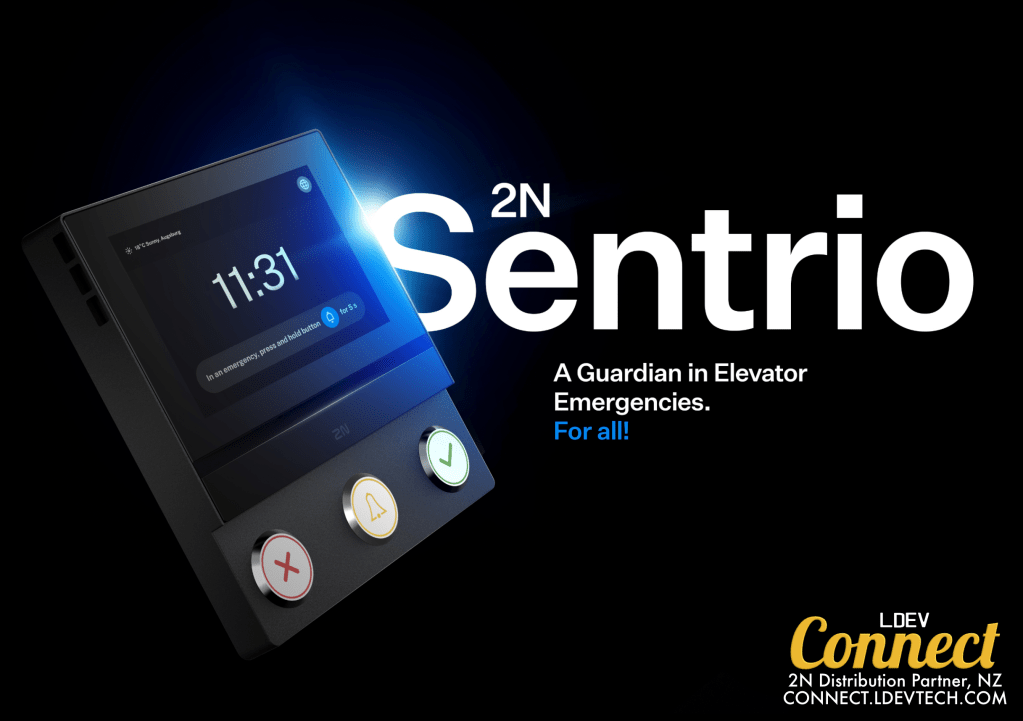
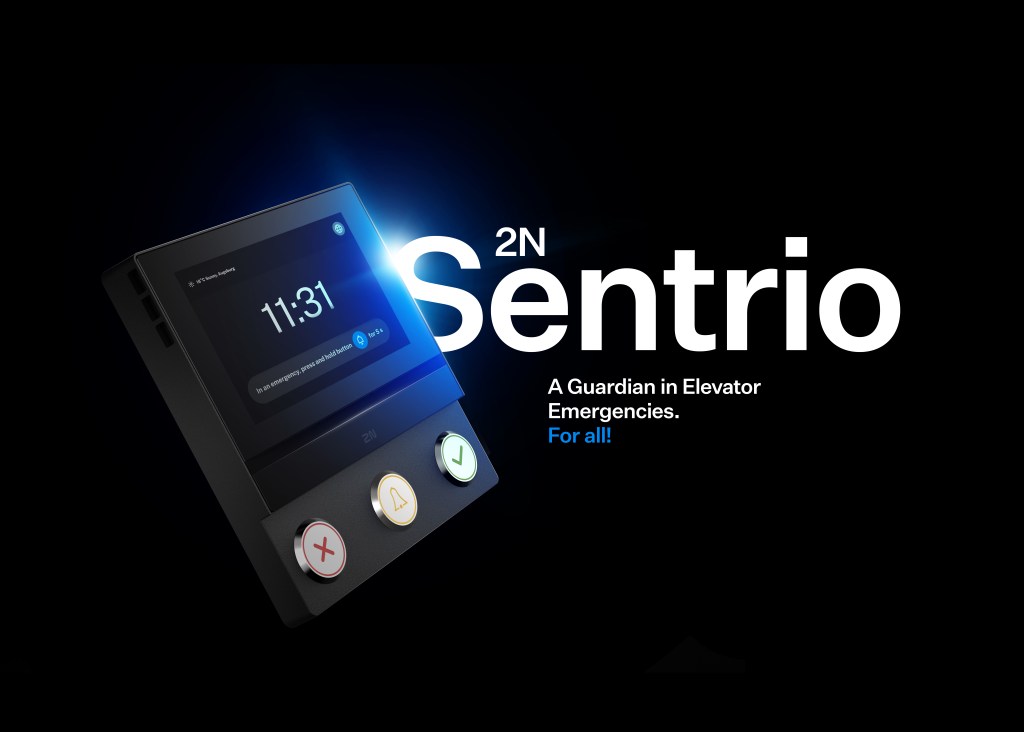
  • 2N Sentrio Demonstrations

    2N Sentrio Demonstrations

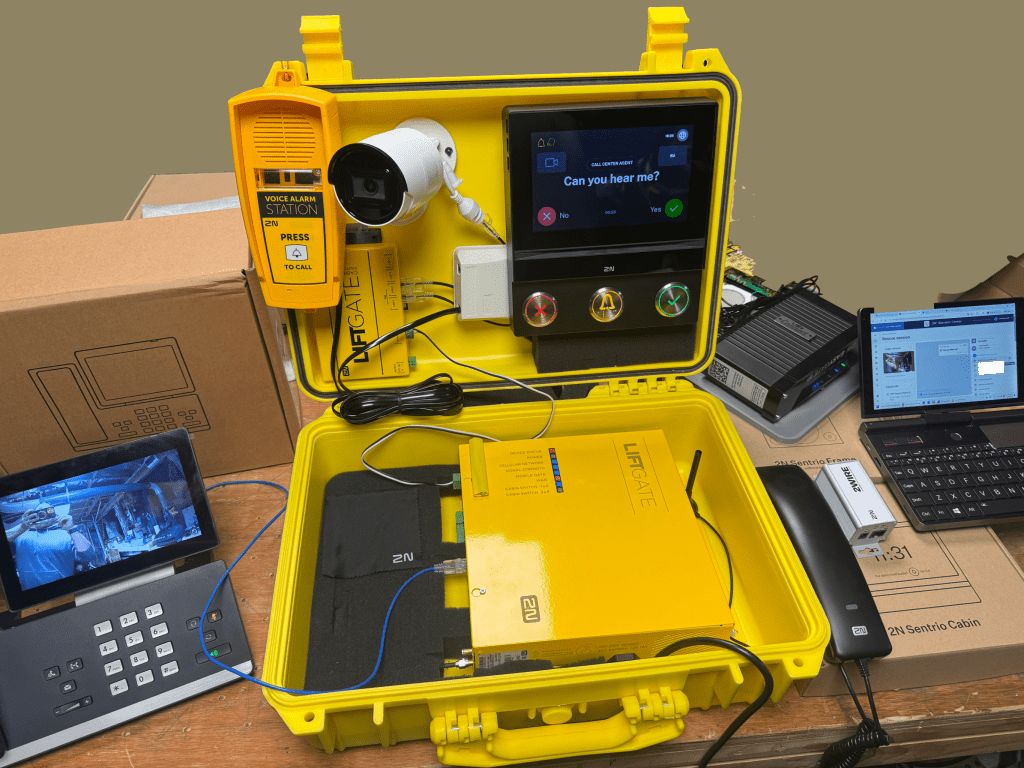
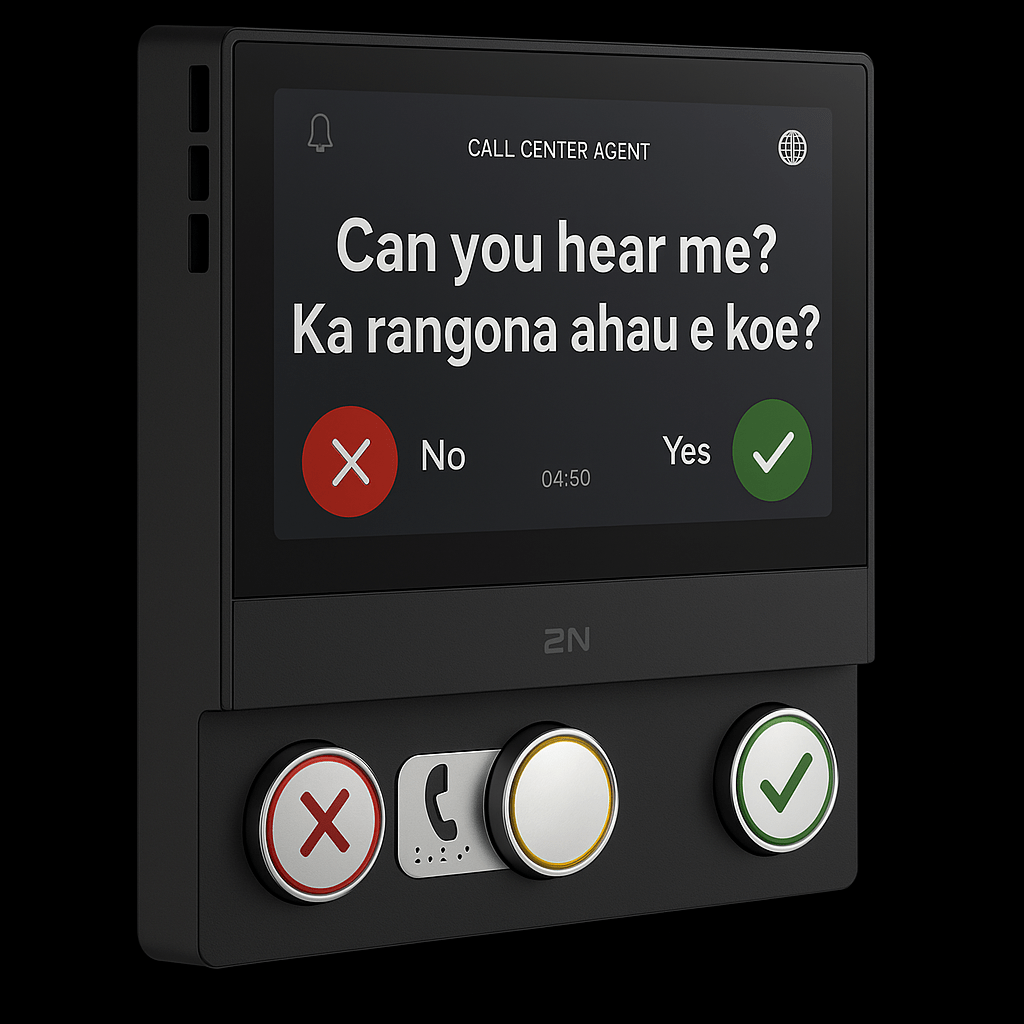
    2N Sentrio is a state of the art emergency communicator enabling two-way visual communication for passengers and the call centre in an elevator entrapment emergency

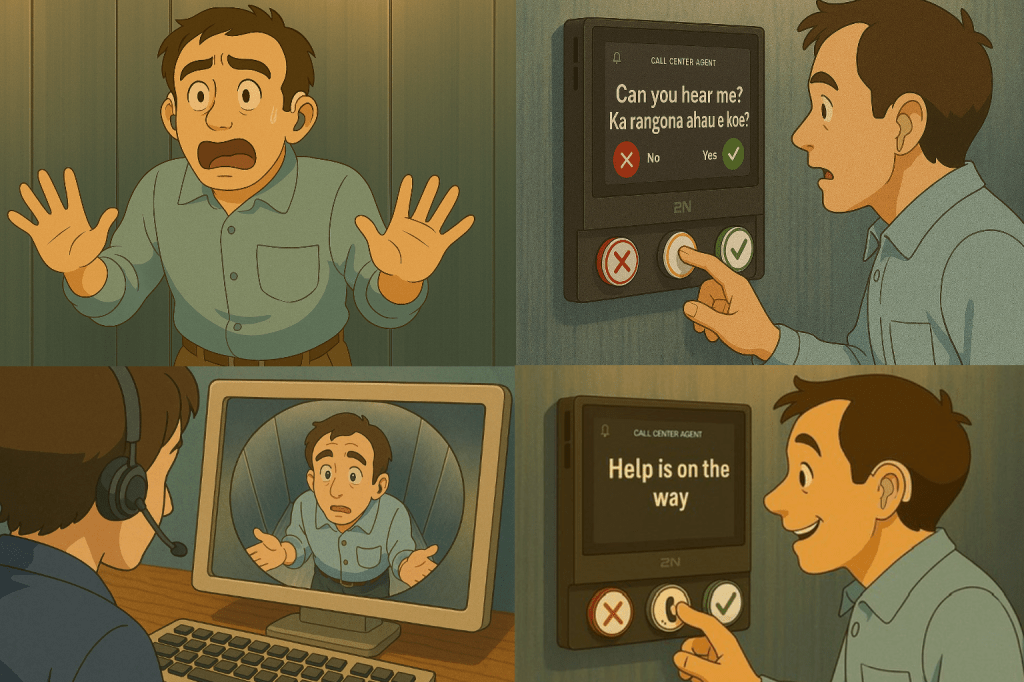
    With Sentrio, passengers can communicate by responding to questions sent by the emergency operator on the in-car display using either a touch-screen or tactile Yes/No buttons. Emergency call centre operators can verify the situation within the lift car by a remotely streamed view from the connected IP camera.

    This gives vulnerable passengers reassurance that help is on the way, and helps call centres to quickly establish whether a rescue is needed especially when audio communication has not been successful.

    LDEV Tech is available nationwide to demonstrate this technology with real hardware in our customised fully portable demonstration case

    See more at https://connect.LDEVTech.com

  • Gaps in NZ lift code for emergency alarms

    Gaps in NZ lift code for emergency alarms

    If the optional EN81-28 standard isn’t used for new lifts today:

    There is no mandatory requirement for:
    – being able to identify the calling lift remotely
    – 72 hour / 3 day automatic test calls
    – visual indication that the call has been answered
    – visual indication of a failed alarm device in-car
    – receive help by simply activating the alarm, no further action
    – persistent alarm state until manually verified the lift is clear
    – alarm filtering to reduce false calls
    – bypass function for alarm filtering (hold button 30 seconds)

    Some features will be available on many new lifts with factory fitted equipment, but often comprehensive features aren’t commissioned or regularly tested. The minimum standard of clause 28.2 of NZS4332:1997 is very minimal, and leaves a lot at risk compared to modern standards.

    EN81-28 is an 18 page standard for remote alarms, but New Zealand requires not much more than an outdated clause to comply.